
The African Academy of SciencesAfrican Planet PrizeFrontiers Research Foundation

Africa’s planetary health science, recognised at home.

Cohort 1 · 2025 · Report

The African Planet Prize is an African Academy of Sciences initiative delivered with the Frontiers Research Foundation, within the global Frontiers Planet Prize ecosystem. Cohort 1 closed with three early-career laureates inaugurated in Pretoria — and a second cohort opening soon.

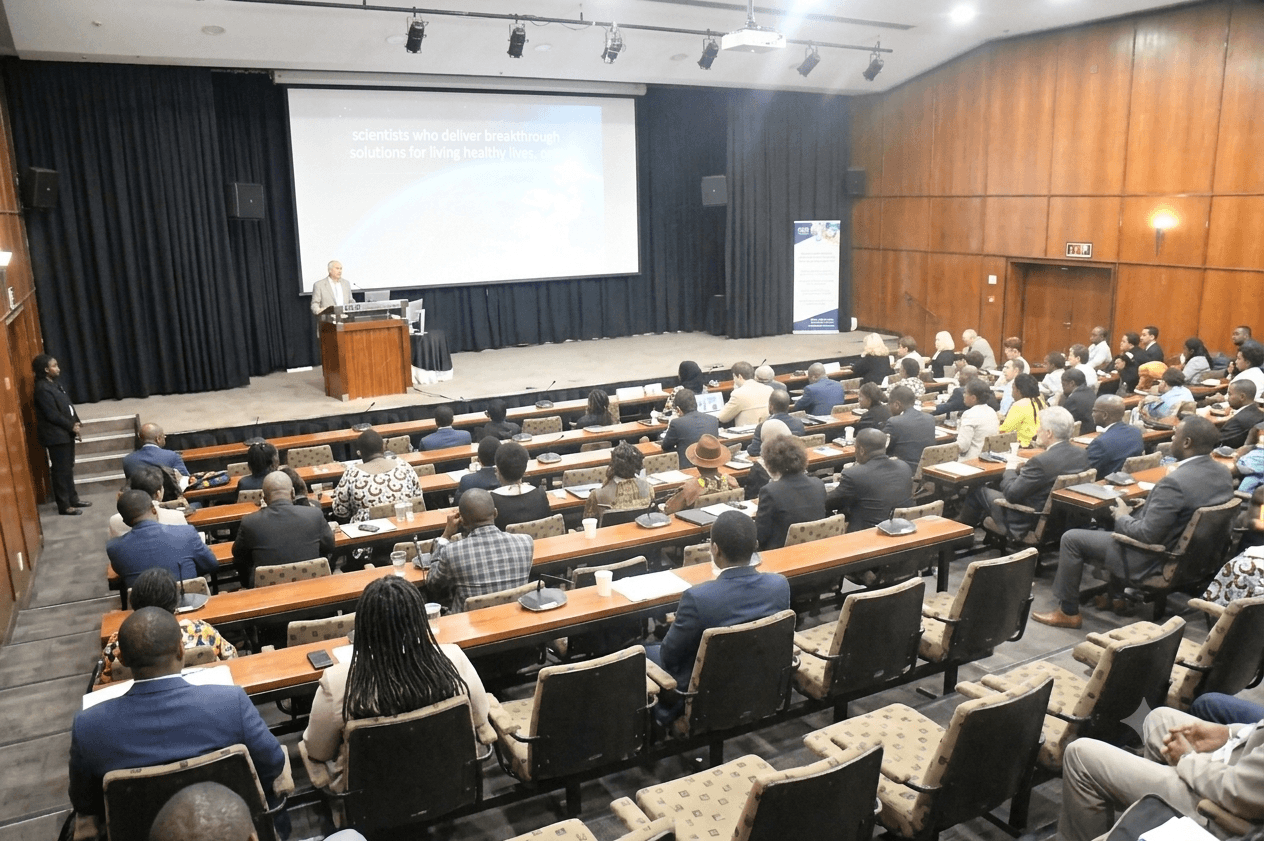
Delegates attending a planetary health presentation at the CSIR International Convention Centre
Now open · calls for proposalsView the grants portal →
03
Laureates, Cohort 1
$5,000
Career support, each
27 Nov
Inauguration, Pretoria 2025
9
Planetary boundaries in scope
01 — How it happened

From a continental gap to a continental prize.

African scientists are deeply engaged in planetary health research, yet low visibility, institutional disconnects and limited access to global platforms have constrained their representation in international recognition mechanisms. Cohort 1 was built to close that distance — nomination pathways through African institutions, an independent scientific review, and a public inauguration on African soil.

Step 01

Partnership established

The AAS and the Frontiers Research Foundation set out a continent-wide implementation strategy to raise African participation in the Frontiers Planet Prize, introduced to institutions through a joint webinar.

Step 02

Institutions registered as nominating bodies

African universities and research institutions were onboarded so nominations would flow through African structures rather than around them.

Step 03

Call for nominations

The African Planet Prize 2025 call opened to early-career African researchers working on climate change, biodiversity loss, pollution and planetary health, closing 10 September 2025.

Step 04

Independent scientific review

Each nomination was judged on one peer-reviewed article, in line with the Frontiers Planet Prize method of assessing science that offers pathways to solutions within the planetary boundaries.

Step 05

Winners announced and inaugurated

Three laureates were announced and officially inaugurated on 27 November 2025 at Science Forum South Africa, Pretoria, with honourable mentions available to the jury.

Selection basis

One peer-reviewed article, assessed for transformative contribution to keeping humanity within the planetary boundaries.

Eligibility

Early-career African researchers, nominated through registered African research institutions and nominating bodies.

What laureates receive

USD $5,000 in career development support, an invitation to the Frontiers Planet Prize ceremony in Switzerland, and continental visibility.

02 — The laureates

Cohort 1 winners

Inaugurated at Science Forum South Africa 2025, CSIR International Convention Centre, Pretoria.

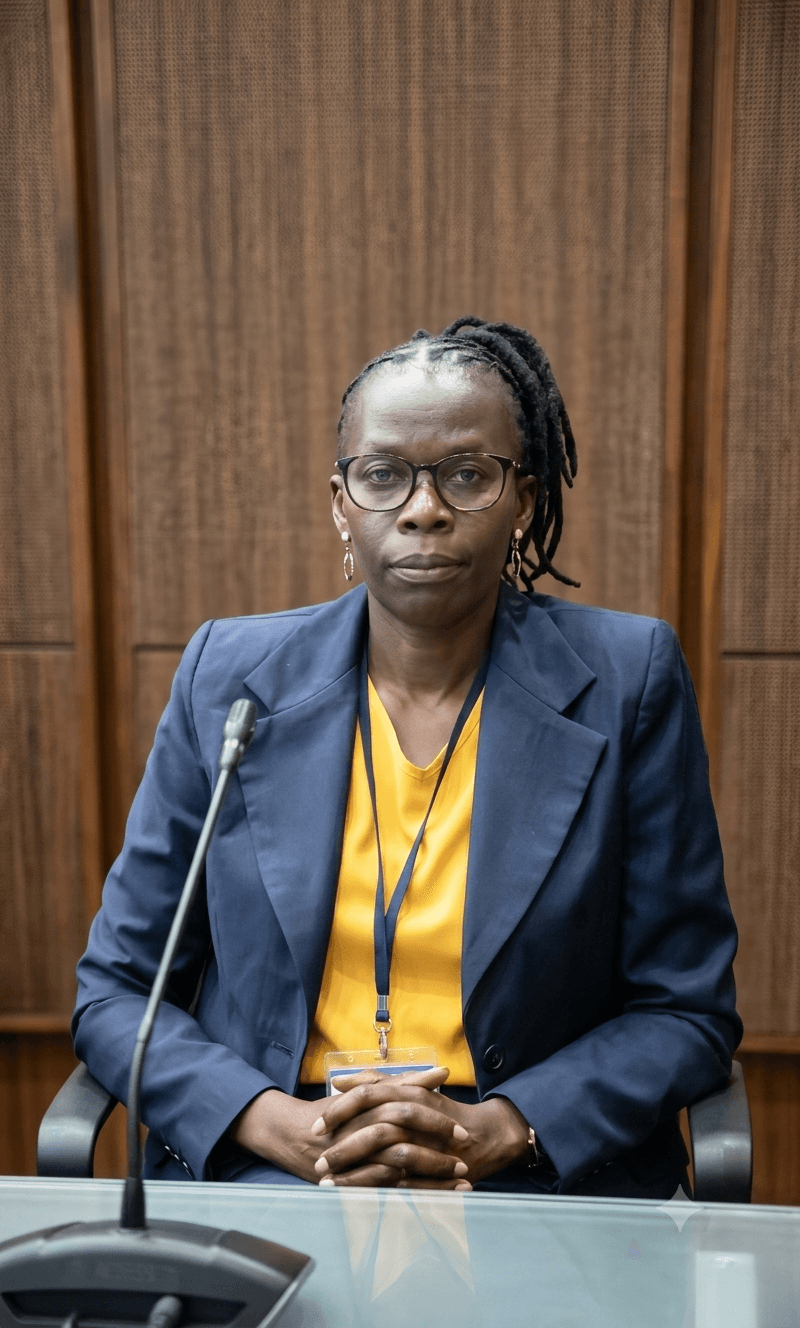
Portrait of Dr Jessica Nosizwe Thorn
Planetary healthCo-production
01

Dr Jessica Nosizwe Thorn

University of Namibia · Imperial College London

To listen, learn, and weave evidence with lived experience — building bridges between research and community-led action, and co-creating new narratives for African planetary health.

Research focus

Transdisciplinary planetary health research across Southern and East Africa, challenging false dichotomies between science and lived experience. Collaborations span the Universities of Namibia, Dar es Salaam, Nairobi and Antananarivo, and SLURC.

Commitments as a laureate

  • Grow a lab of 3 postdocs, 8 PhD, 5 MSc and 24 research assistants
  • Bridge research and community-led action
  • Co-create new narratives for African planetary health

Portrait of Dr Addisu Fekadu Andeta
Food systemsClimate resilience
02

Dr Addisu Fekadu Andeta

Enset research and value chain development · Ethiopia

This recognition celebrates not only my work on Enset research and value chain development, but my commitment to advancing sustainable, nutritious and climate-resilient food systems in Africa.

Research focus

Enset (false banana) as a climate-resilient staple: post-harvest processing, food safety and value chain development that turns an indigenous crop into a nutrition and livelihood asset.

Commitments as a laureate

  • Empower communities for food security and livelihoods
  • Promote Enset as Africa’s next superfood
  • Scale adoption across African countries
  • Drive innovation from research to commercial impact
Portrait of Dr Debora Charles Kajeguka
Arboviral researchOne Health
03

Dr Debora Charles Kajeguka

KCMC University · Tanzania

This award fuels my dedication to continued excellence and motivates me to be an ambassador, contributing meaningfully toward planetary health through innovative research and leadership in arboviral research across Africa and beyond.

Research focus

Arboviral disease surveillance and vector ecology in East Africa — dengue, chikungunya and related threats sitting at the intersection of climate change, urbanisation and human health.

Commitments as a laureate

  • Strengthen arboviral surveillance capacity in the region
  • Mentor the next cohort of East African researchers
  • Act as an ambassador for planetary health science
03 — The ceremony

A continental stage, 1,200 in the room.

The official inauguration ran inside Science Forum South Africa 2025 (24–28 November, Pretoria) — more than 1,200 participants in person and 3,000 online across research, innovation and policy. The APP session, “Bridging Science and Sustainability”, placed the laureates in front of funders, ministries and the global Frontiers Planet Prize network.

The prize sits alongside African National and International Champions of the Frontiers Planet Prize, extending the pathway from African labs to global recognition.

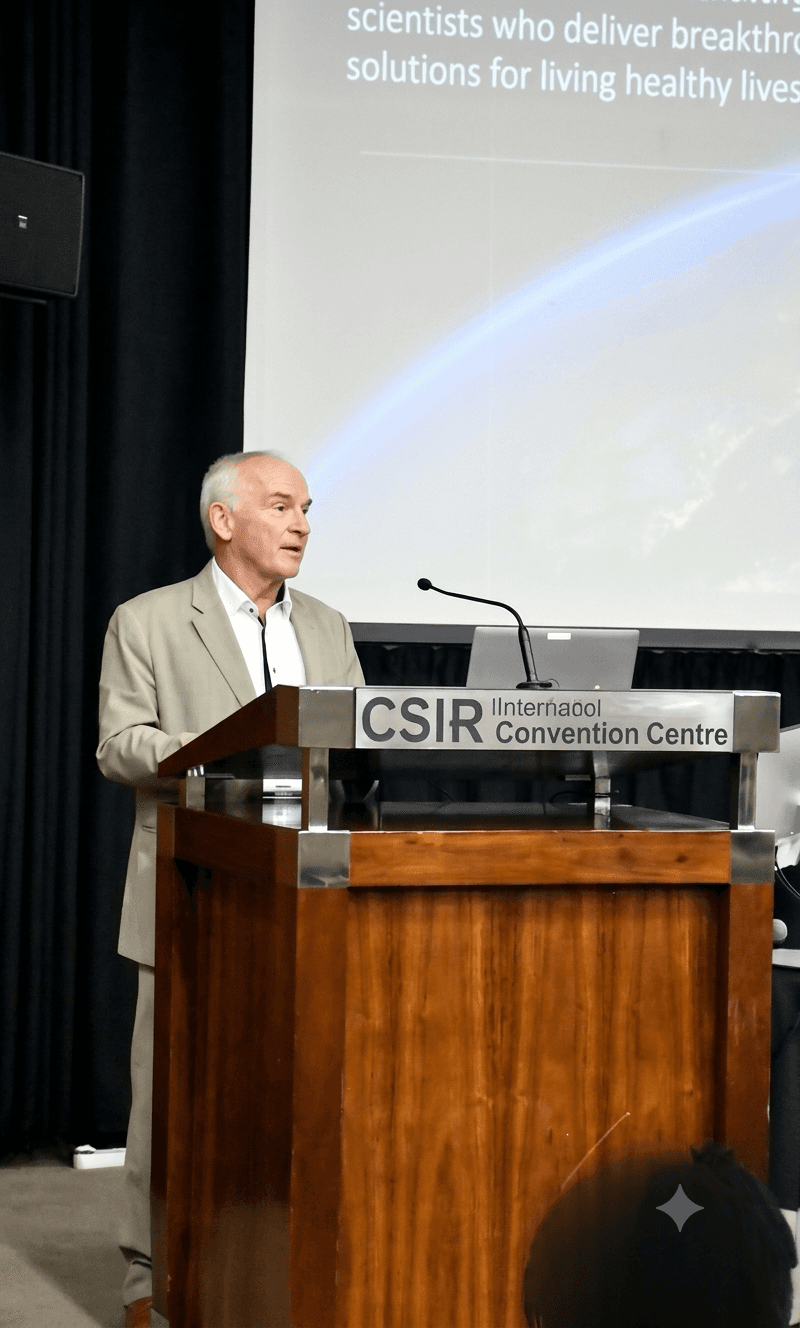
Speaker presenting planetary health research at the CSIR International Convention Centre
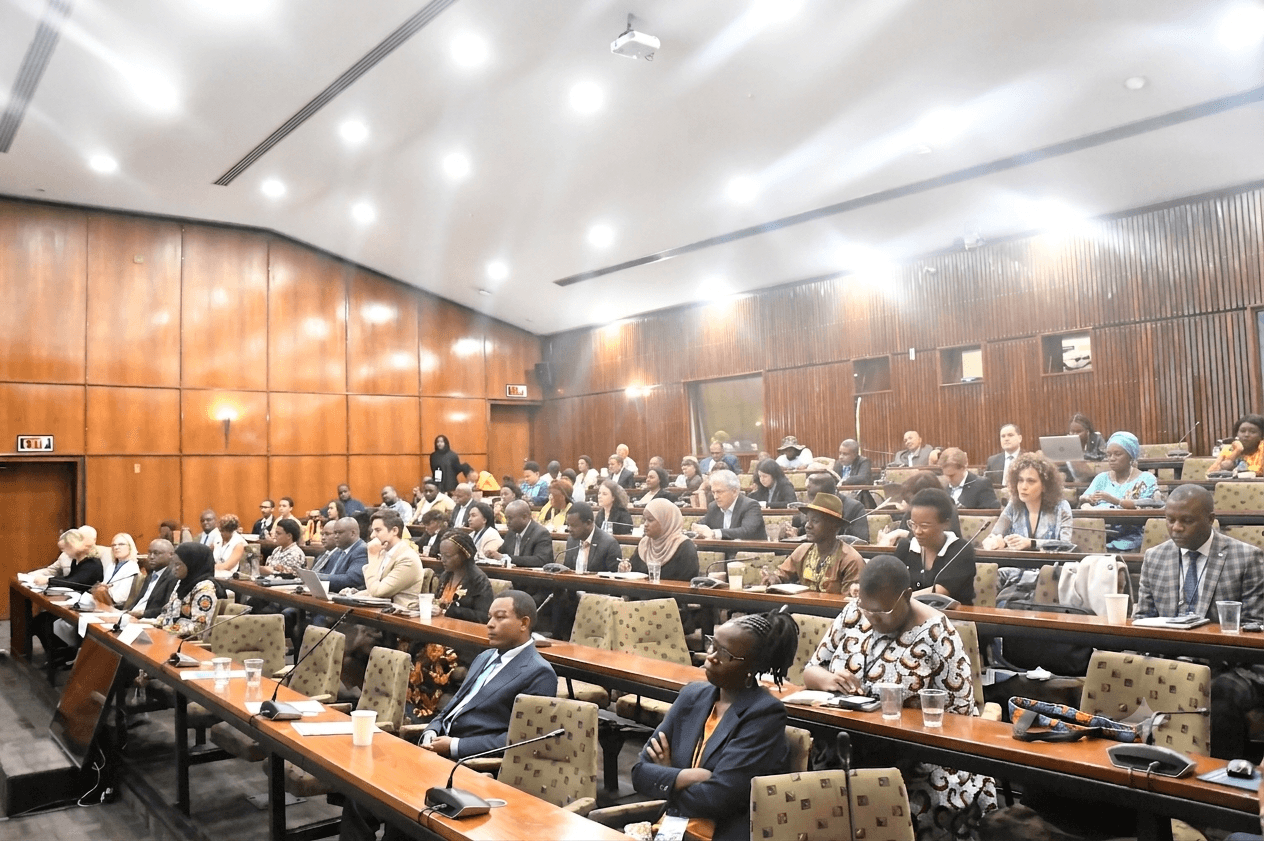
Delegates seated in the Science Forum South Africa auditorium
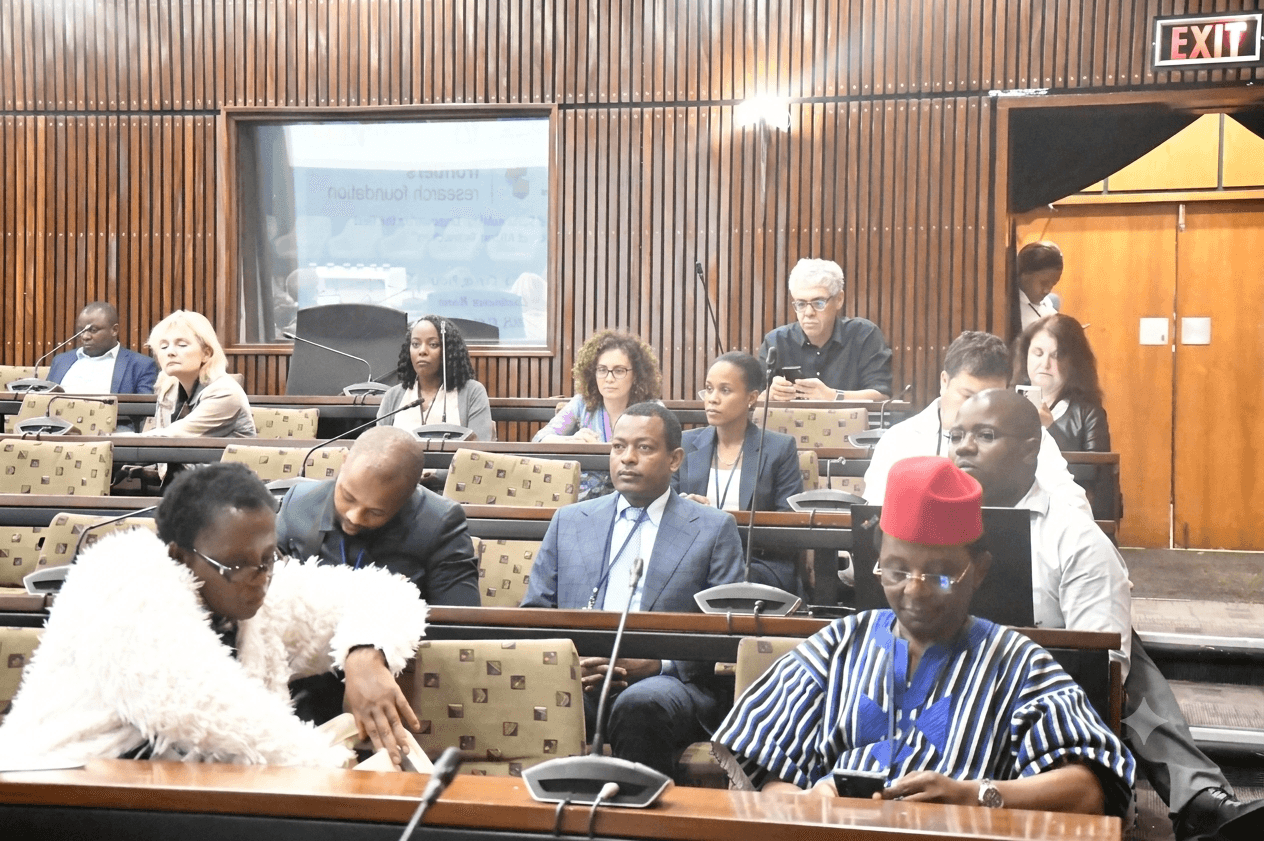
Science Forum South Africa delegates listening during the programme
Wide view of a speaker addressing the Science Forum South Africa audience
Cohort 2 — opening soon

A second cohort starts soon.

Nominations for African Planet Prize Cohort 2 open in the next cycle, again through registered African institutions and nominating bodies. Institutions can prepare now: confirm registration, identify early-career candidates, and shortlist the single peer-reviewed paper each nomination will rest on.

Cohort 2 nominations and reviews run on this platform — the grants system the programme piloted.

01
Confirm institutional registration
Your institution must be a registered nominating body to submit candidates.
02
Identify early-career candidates
Researchers whose work advances solutions within the nine planetary boundaries.
03
Choose the one paper
Each nomination rests on a single peer-reviewed article — select it early and build the case around it.
04
Write to the APP team
Questions on eligibility, registration or nominations go to the AAS project leads.